
Ultimate Test Bench for LTE EPCs
LTE is the last step towards 4G service, and it will make a huge impact in our ubiquitous communication life. There are a number of advanced technologies introduced in LTE network, and System Architecture Evolution (SAE) is one of such technologies. SAE is designed based on IP technology, and it has the simplified architecture with vision of all-IP network. In order to achieve the LTE’s original goals, i.e., higher throughput, lower latency and lower cost per bit, the performance of Evolved Packet Core (EPC) is extremely important along with those of E-UTRAN eNBs. EPC also provides simplified mobility between legacy mobile communication technology GSM/GPRG and UMTS. Even though EPCs do not comprise a big share of CAPEX and OPEX as to eNB in the wireless infrastructure, but it makes a great impact on overall network profitability. Service providers must take consideration into the performance of EPCs.


The LTE EPC defines series of network functions as follows.
- Idle mode UE (User Equipment) tracking
- Paging procedure such as re-transmissions
- Bearer activation and deactivation process
- S-GW selection for a UE at the initial attach
- Intra-LTE handover with Core Network node relocation
- User authentication with HSS
When the signaling of Non-Access Stratum (NAS) terminates at the MME, it generates and allocates temporary identities to UEs. Then, it authorizes the UE for the Public Land Mobile Network. It is also responsible for the enforcement of UE roaming restrictions. The MME handles the ciphering/integrity protection for NAS signaling and the security key management. It supports lawful interception of signaling, and the control plane function for mobility between LTE and legacy networks with the S3 interface. The S6a interface connects to the HSS for roaming UEs.
The main functionality of Serving Gateway is routing and forwarding of user data packets. It is also responsible for inter-eNB handovers in the U-plane and provides mobility between LTE and other types of networks, such as between 2G/3G and P-GW. The DL data from the UEs in idle state is terminated at S-GW, and arrival of DL data triggers paging for the UE. S-GW keeps the context information such as parameters of the IP bearer and routing information, and stores back the UE contexts when paging happens. S-GW is also responsible for replicating user traffic for lawful interception.
- Policy enforcement
- Packet filtering
- Charging support
- Lawful interception
- Packet screening
Another important role of P-GW is to provide mobility between 3GPP and non-3GPP network. For example, mobility between WiMAX and 3GPP2 or between CMDA 1X and EVDO are supported by P-GW.


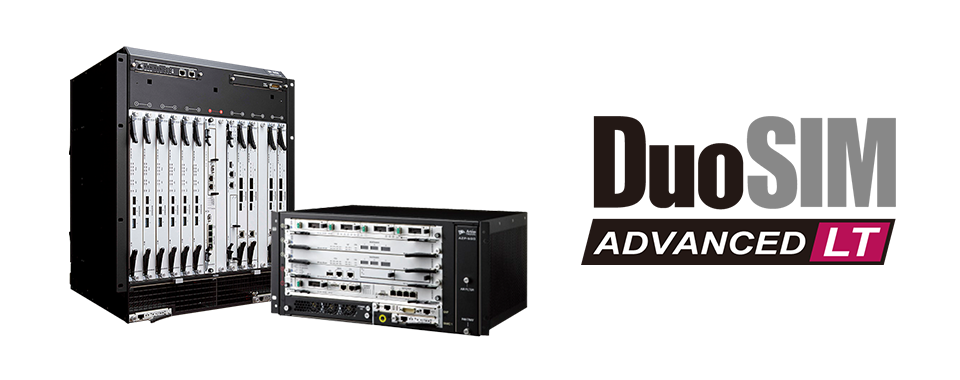
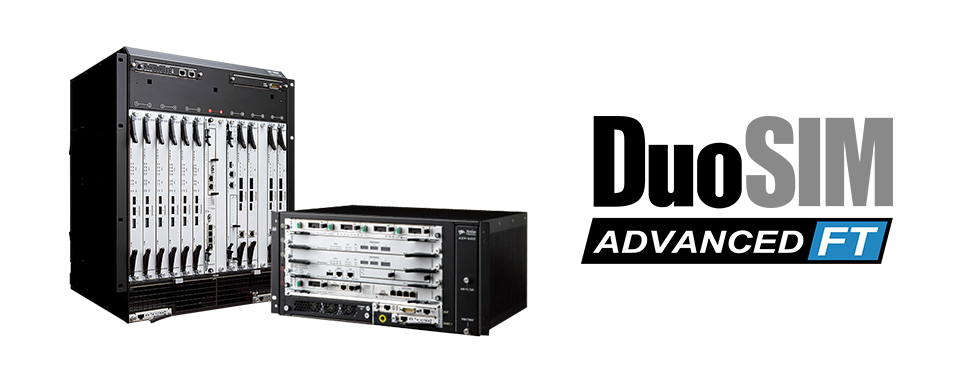
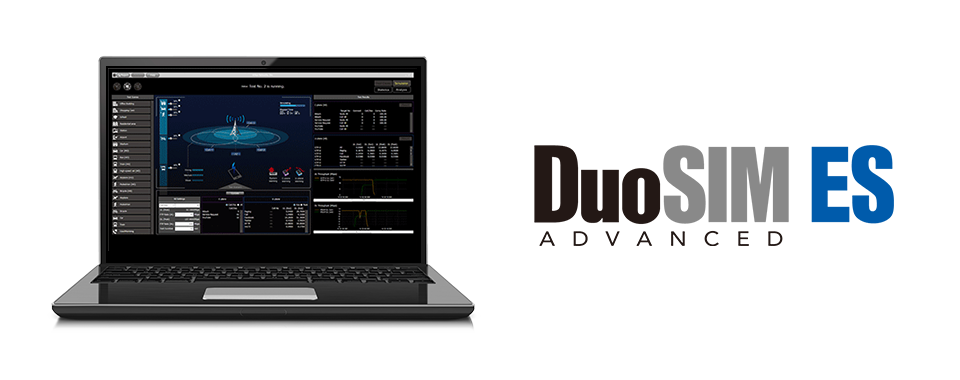
Artiza LTE EPC Load Tester is the complete test suite for LTE EPC developers, specialized in load testing. It covers from simple functional protocol testing to comprehensive load testing in C-plane and U-plane, and it is the turnkey solution for EPC performance evaluation. With the capability for versatile load testing in C-plane along with the QoS (Quality of Service) testing up to 2 millions of bearers on 10 GbE interface, Artiza LTE EPC Load Tester brings you the ultimate testing environment with the toughest load condition to EPCs.